Most of the time, slower charging isn’t a malfunction — it’s your battery’s management system deliberately protecting itself. But a few of the causes below genuinely are worth investigating. Here’s how to tell which situation you’re in.
Cause 1: Cold Weather (The Most Common Culprit)
Lithium-ion batteries have a genuine sweet spot — generally 68-86°F (20-30°C) — where they charge fastest. Below that range, the battery’s internal chemistry simply moves more slowly: the electrolyte solution becomes thicker (some describe it as turning “like molasses” in cold conditions), ions can’t move between electrodes as efficiently, and internal resistance rises. Your car’s software responds by deliberately limiting charging current to avoid damaging the cells — this is a safety feature working correctly, not a fault.
How much slower: expect roughly a 20-50% reduction in charging speed depending on how cold it is, with the effect becoming severe below about 20°F. DC fast charging takes the biggest hit, especially if you arrive at a station with a cold battery and low state of charge — some drivers report waits stretching three to four times longer than normal in severe cold. Home Level 2 charging is affected less dramatically, mainly because it’s already slower and gentler, and your car typically has hours overnight to gradually warm the pack while charging rather than needing to accept a fast jolt of power immediately.
What to do about it: use battery preconditioning if your EV supports it — this warms the battery to an optimal temperature before you start charging or driving, and is most effective when scheduled while the car is still plugged in. Most EVs offer this through the app or vehicle settings. Keeping your state of charge above roughly 20% in cold weather also helps, since the battery management system reserves some power specifically to warm itself, and starting from a very low charge gives it less buffer to work with.
[AD BREAK — insert in-content ad unit here]
Cause 2: Hot Weather (Less Common, Same Underlying Logic)
The same protective logic works in reverse during extreme heat: if the battery gets too warm, the management system reduces charging speed to prevent overheating, and some of the incoming power gets diverted to run cooling pumps and fans rather than charging the pack. Fast charging immediately after a long, hard highway drive — when the battery is already warm from use — can be slower than charging a battery that’s had time to cool down first.
Cause 3: You’re Charging Above 80% (This Is Normal, Not a Problem)
If your charging seems fast up to about 80% and then drags noticeably for the last 20%, that’s expected behavior, not a fault. Charging naturally slows as the battery approaches full capacity — think of it like pouring water into a bottle: fast at first, then deliberately slower near the top to avoid overflow. Higher battery percentages mean more internal resistance, so the management system reduces power to protect the cells. This is why many drivers on road trips stop at 80% rather than waiting for 100% — the last stretch takes disproportionately longer for relatively little added range.
Cause 4: Your Charger’s Own Power Limit
Not every charger delivers power at the same rate, and this is one of the most overlooked causes of “slow” charging that has nothing to do with the weather or the battery. If you’re using a lower-amperage charger (a Level 1 cable, or a Level 2 unit set to a lower amperage than it’s capable of), you’ll see meaningfully slower charging regardless of conditions. Check your charger’s current amperage setting in its app, and confirm it matches what your electrical circuit and vehicle can actually support (see our guide on home electrical capacity for EV charging for how to check this).
[AD BREAK — insert in-content ad unit here]
Cause 5: Shared Circuit or Load Management Throttling
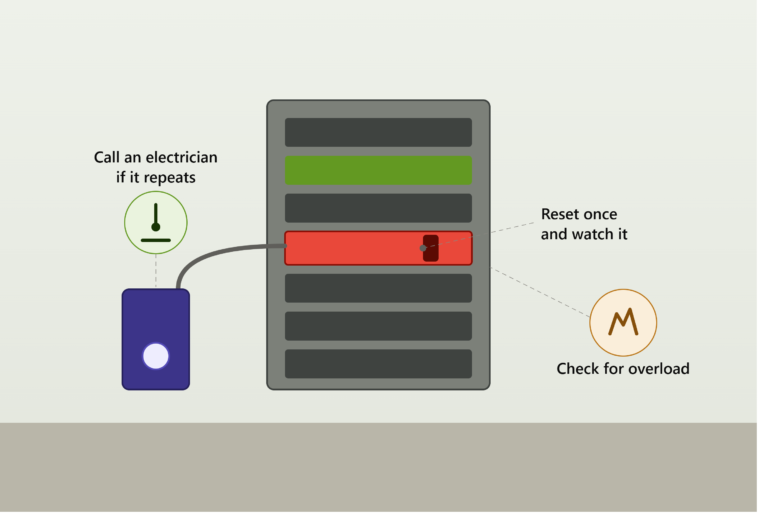
If your charger has load-sharing or load-management features — common when multiple EVs share a circuit, or when a smart charger is programmed to reduce output when other major appliances (AC, oven, dryer) are drawing power simultaneously — this can cause charging speed to fluctuate throughout a session in ways that look inconsistent from day to day. This is a deliberate feature protecting your electrical panel from overload, not a malfunction, but it’s worth understanding if you’ve noticed charging speed varies depending on what else is running in the house at the time.
Cause 6: Battery Age and Degradation
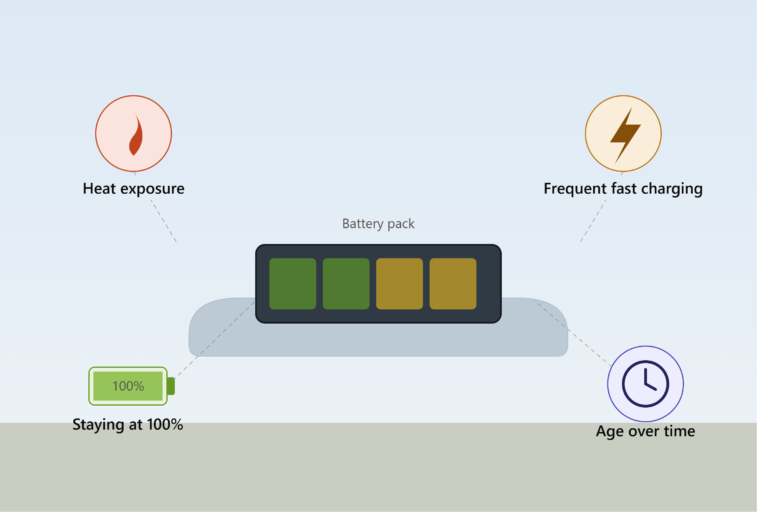
Older or higher-mileage battery packs can charge somewhat slower than when new, as part of normal long-term battery aging — though this is typically a gradual, minor effect rather than a sudden change. If your charging speed dropped noticeably and suddenly rather than gradually over years, age-related degradation is a less likely explanation than one of the other causes on this list.
Cause 7: A Degraded Cable or Connection
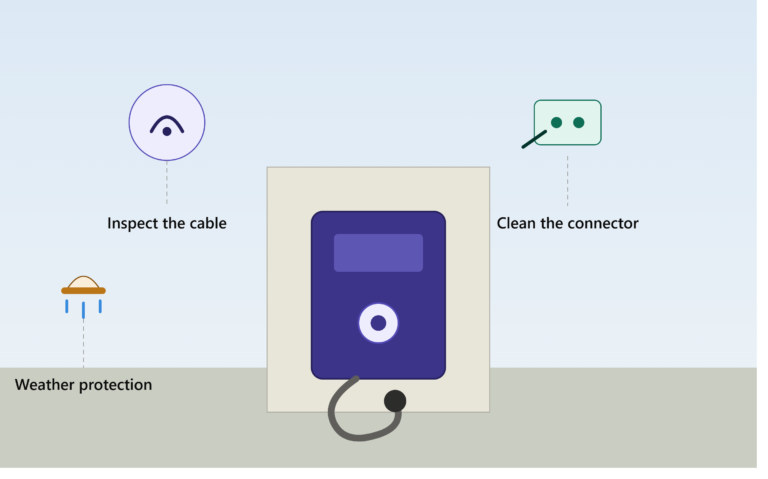
Worth checking if slow charging is new and persistent: a charging cable or connector with internal wear, corrosion, or a loose connection increases resistance in the circuit, which can both slow charging and generate excess heat. Inspect your cable for visible damage, and if you notice the plug or connector feels warmer than usual during a session, that’s worth investigating rather than ignoring (see our guide on common charger error codes for related warning signs).
Don’t Judge Speed by the Peak kW Number Alone
A habit worth breaking, especially in winter: many drivers fixate on the peak charging rate shown on the screen at the start of a session. A more useful way to judge whether something is actually wrong is tracking how much your state of charge climbs over a 10-40 minute window rather than the instantaneous number at any single moment. A battery that starts slow but warms up during the session can end up adding nearly as much total energy as it would on a mild day — just with a slower-looking start.
When to Actually Get It Checked
Most slow charging is explained by the causes above and isn’t a sign anything is broken. But a few signs are worth having checked by a professional:
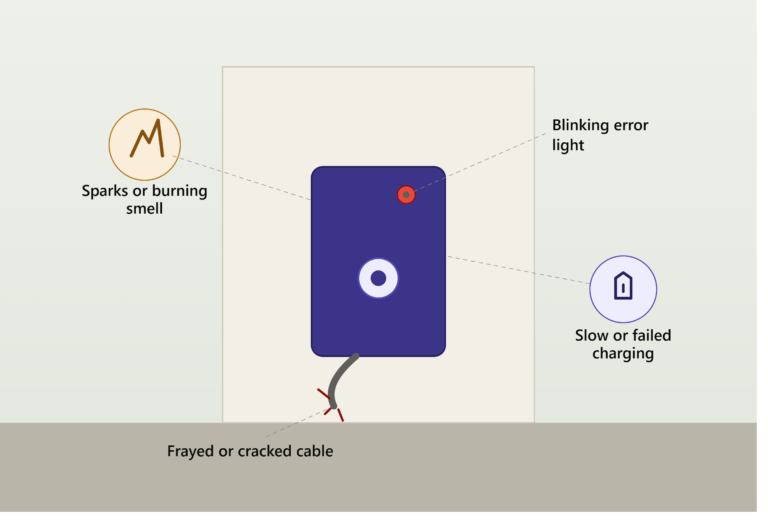
- Charging speed has dropped suddenly and significantly, rather than gradually or in obvious correlation with weather
- Your home charger trips breakers or flickers when you plug in
- The outlet, cable, or electrical panel feels hot or smells unusual
- You’ve recently added major appliances or HVAC equipment and suspect your panel may be overloaded
In any of these cases, a licensed electrician can verify your home wiring and panel can safely support your charging needs, and a dealer or EV technician can pull vehicle diagnostic data to check for any battery or software-related service bulletins relevant to your specific model.
Bottom Line
Slower-than-usual charging is most often explained by temperature (cold weather especially), the natural tapering that happens above 80% battery, or a charger power setting that’s lower than you expect — all normal behavior, not malfunctions. Reserve concern for sudden, unexplained drops in speed or any physical warning signs like heat, smell, or tripped breakers, which point toward an actual electrical issue worth having checked.
This article is for general informational purposes. If you notice signs of an electrical fault (heat, burning smell, repeated breaker trips), stop charging and consult a licensed electrician.