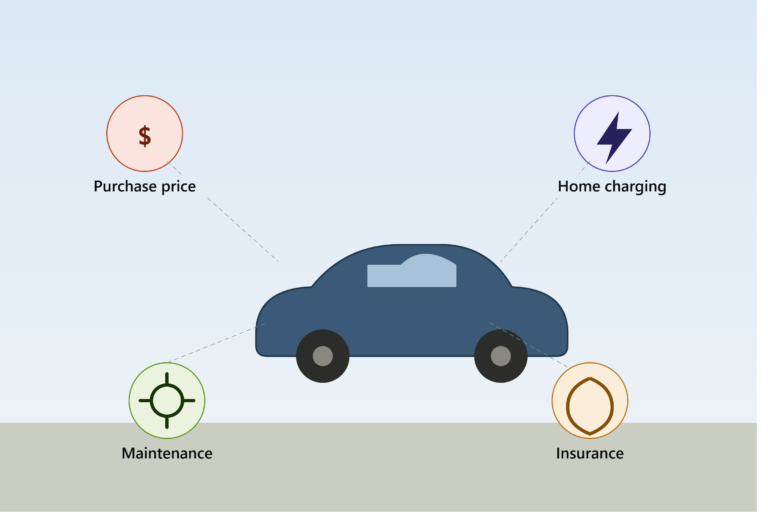
The math changed in 2026. With the federal EV tax credit gone as of September 30, 2025, the purchase-price gap between EVs and gas cars is real again in a way it wasn’t for the past few years — but fuel and maintenance savings are also real and substantial. Here’s the full 5-year comparison, line by line, without assuming a credit that no longer exists.
Why This Comparison Looks Different Than It Did in 2024
A lot of TCO comparisons still circulating online assume a $7,500 federal credit reducing the EV’s purchase price. That credit ended for vehicles acquired after September 30, 2025, and does not apply to 2026 purchases (see our full guide on the federal EV tax credit status for the details). Any comparison that still nets out $7,500 from the EV side is using outdated math. This article doesn’t.
[AD BREAK — insert in-content ad unit here]
The Full 5-Year Line-by-Line Comparison
For a typical mid-size EV versus a comparable gas vehicle, driven 12,000-15,000 miles/year with home charging access:
| Cost category | EV | Gas car | 5-year difference |
|---|---|---|---|
| Purchase price (no credit) | Higher by ~$3,000-6,500 | Baseline | Gas car ahead by $3,000-6,500 |
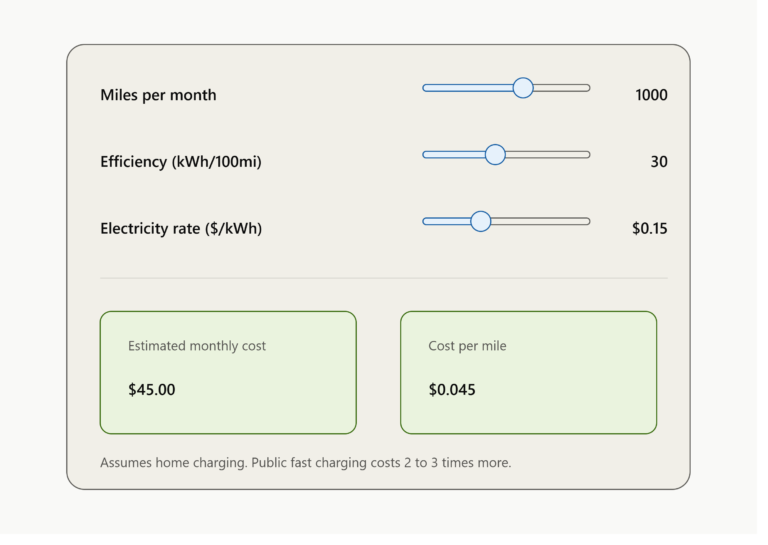
| Fuel/charging | ~$0.04-0.05/mile | ~$0.12-0.16/mile | EV ahead by $3,500-7,000 |
| Maintenance | ~$1,500 total (5 yrs) | ~$4,000-4,500 total (5 yrs) | EV ahead by $2,500-3,000 |
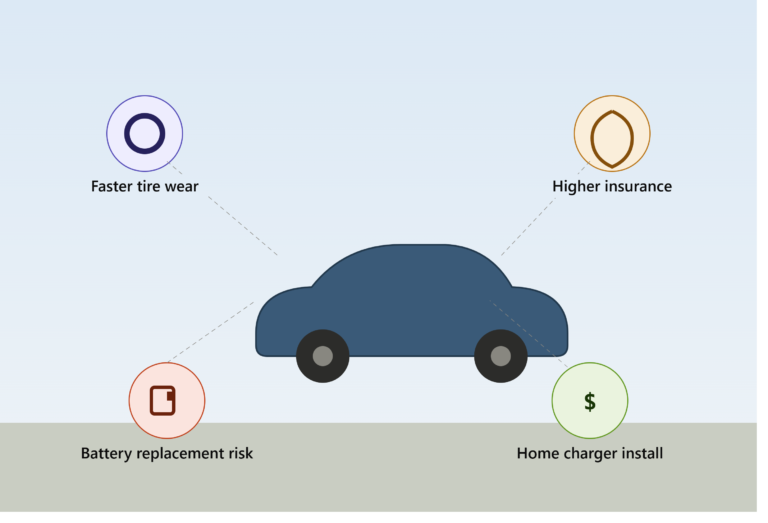
| Insurance | ~42% higher annually | Baseline | Gas car ahead by ~$4,500-4,700 |
| Tires | Replaced ~2x in 5 yrs | Replaced ~1x in 5 yrs | Gas car ahead by $600-900 |
| Registration fees | EV-specific fee in most states | Standard fee | Gas car ahead by ~$250-700 |
| Home charger (one-time) | $700-1,700 | $0 | Gas car ahead by $700-1,700 |
Running the Numbers
Adding up the “ahead” columns: the gas car’s advantages (purchase price, insurance, tires, registration, charger) total roughly $9,050-14,500 over five years. The EV’s advantages (fuel and maintenance) total roughly $6,000-10,000 over the same period.
In this baseline scenario, without any state or utility incentives, the gas car often comes out ahead by a few thousand dollars over five years — a meaningfully different conclusion than the pre-2025 comparisons that assumed a $7,500 federal credit. This is the honest, unvarnished math for a typical case.
[AD BREAK — insert in-content ad unit here]
But “Typical” Hides Two Very Different Outcomes
This is the part that matters most: the national average conceals two genuinely different situations, and which one you’re in determines whether the EV or gas car wins for you specifically.
The EV wins clearly if:
- You drive 12,000+ miles per year (more mileage means fuel savings compound faster)
- You have reliable home charging access at a reasonably low electricity rate
- You live in a state with EV purchase incentives, utility rebates, or lower-than-average insurance gaps
- You plan to own the vehicle for 5+ years, letting maintenance savings fully compound
- In this scenario, the EV can still come out $3,000-8,000+ ahead over five years, even without the federal credit
The gas car wins clearly if:
- You drive fewer than 10,000 miles per year (fuel savings shrink, but insurance and purchase price gaps don’t)
- You lack home charging access and would rely primarily on public charging
- You live in a high-electricity-rate state without offsetting incentives
- You plan a shorter ownership period (2-3 years), where you won’t recoup the home charger investment or benefit fully from the maintenance gap
- In this scenario, the gas car’s advantage can widen to $8,000-12,000+ over five years
The Single Biggest Lever: Home Charging Access
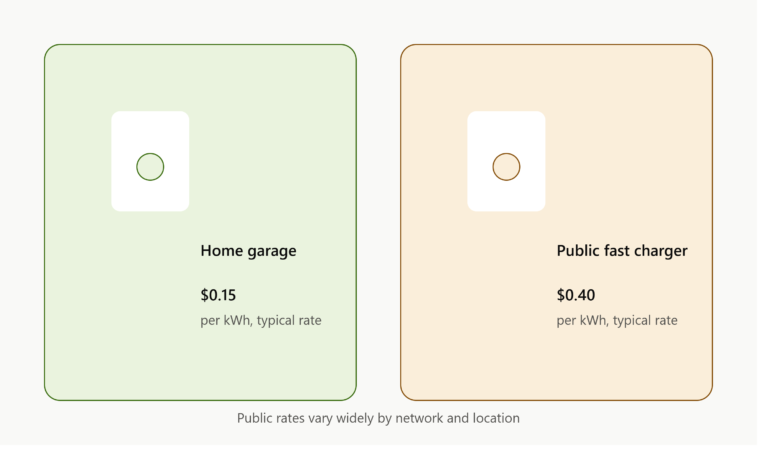
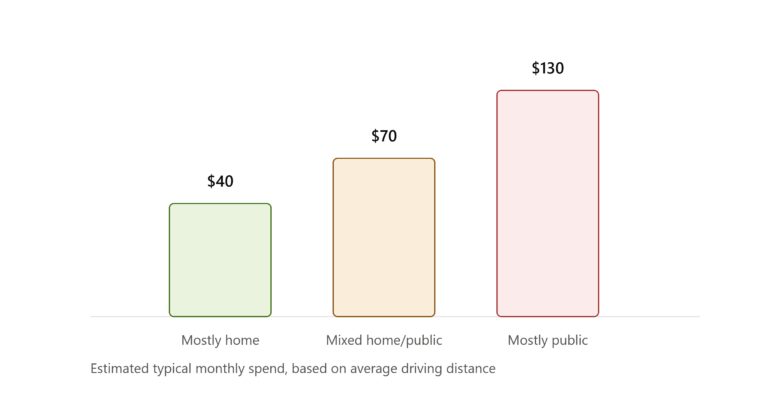
Across every version of this comparison, one factor changes the outcome more than any other: whether you can charge at home. A driver with home charging access captures the full fuel-cost advantage (roughly 3x cheaper per mile than gas); a driver relying on public charging pays rates close to or sometimes exceeding gasoline costs (see our guide on home vs. public charging costs), which erases most of the EV’s fuel advantage entirely — often the single deciding factor in whether the 5-year math favors the EV or the gas car.
What This Comparison Doesn’t Capture
A few things worth factoring in beyond the numbers above:
- Resale value/depreciation: EVs have generally depreciated faster than gas cars in the first few years, which affects your position if you sell or trade in before the loan is paid off — though this gap has been narrowing as the used EV market matures
- State and utility incentives: some states still offer meaningful purchase incentives or utility rebates independent of the expired federal credit — check what’s available in your specific state before assuming the baseline numbers apply to you
- Driving experience factors: this comparison is purely financial and doesn’t weigh acceleration, quietness, or convenience of home refueling, which matter to many buyers regardless of the dollar difference
Bottom Line
Without the federal tax credit, the 5-year total cost of ownership comparison is closer than it’s been in several years, and for a meaningful share of buyers — lower-mileage drivers without home charging access — the gas car now genuinely wins on pure dollars. But for higher-mileage drivers with home charging access, the EV still typically comes out ahead once fuel and maintenance savings compound over five years. Run your own specific numbers — mileage, local electricity and gas rates, and your state’s remaining incentives — rather than relying on either a purely pro-EV or pro-gas headline conclusion.
Costs vary significantly by specific vehicle, state, insurer, and individual driving patterns. Figures in this article reflect national averages and industry data as of mid-2026 and do not include any federal purchase tax credit, which is no longer available.