Short answer for most homeowners in 2026: yes, and for hardwired Level 2 chargers, it’s no longer just a recommendation — it’s the law in most states. A code update that took effect this year changed the rules around DIY installation significantly. Here’s exactly what changed, what it means for your specific setup, and what it will likely cost.
What Changed in 2026
In June 2025, the National Fire Protection Association approved updates to the National Electrical Code (NEC) — the standard most U.S. states and municipalities use as the baseline for electrical safety rules. The update added a new requirement, found in Section 625.4: permanently installed EV charging equipment must be installed by a “qualified person,” which most jurisdictions are interpreting as a licensed electrician.
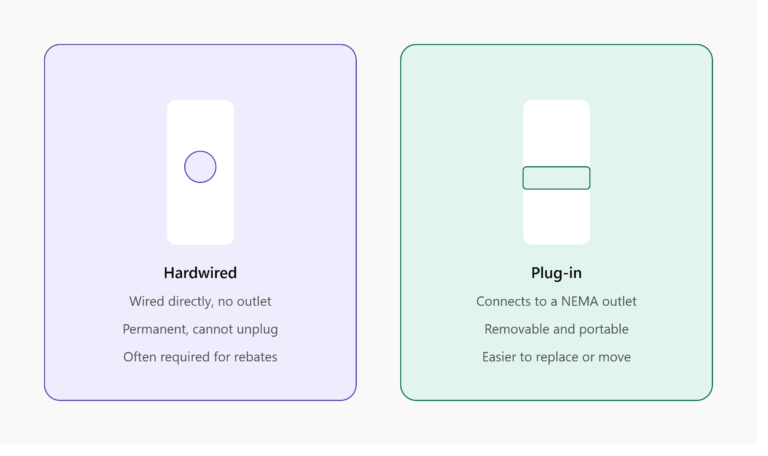
This mainly affects hardwired chargers — units wired directly into your home’s electrical panel with no plug involved. A Tesla Wall Connector or ChargePoint unit wired straight into the panel falls squarely under this rule.
Plug-in chargers are a slightly different story. A Level 2 charger that connects to an existing heavy-duty outlet (like a NEMA 14-50) isn’t directly covered by Section 625.4 — but installing that outlet in the first place typically still requires a permit and licensed electrical work in most areas. In practice, very few homeowners end up avoiding a licensed electrician entirely.
Why the Rule Changed
An EV charger isn’t like a toaster or a lamp. It pulls a heavy, continuous electrical load — often for 8 to 10 hours straight, night after night. Regulators pointed to this sustained load as the reason for tightening the rules: undersized or improperly installed wiring can overheat under that kind of continuous draw in a way that shorter, intermittent household loads don’t typically expose.
Does This Apply in Your State?
Here’s the part that trips a lot of people up: NEC 2026 isn’t a single nationwide law — it’s a model code that each state adopts on its own timeline. Some states already had licensed-electrician requirements in place well before this update:
- California requires a C-10 licensed electrical contractor for EV charger installation (homeowner permits remain available in limited cases for a primary residence)
- Florida requires a licensed electrical contractor
- Texas requires a licensed electrician through the Texas Department of Licensing and Regulation
- New York City requires a Licensed Master Electrician
- Illinois, Massachusetts, and Washington already had similar requirements at the state or municipal level
For homeowners in these states, the 2026 code changes very little — the requirement was already there. For everyone else, the timeline depends on when your state formally adopts the new code, which is happening on a rolling basis rather than all at once. If you’re not sure where your state stands, your local building department or a licensed electrician can tell you in a two-minute phone call.
What a Licensed Installation Actually Involves
A typical professional installation follows a predictable process:
- Initial assessment — the electrician reviews your panel size (100A vs. 200A), main breaker rating, available breaker space, and existing large loads (HVAC, electric range, water heater)
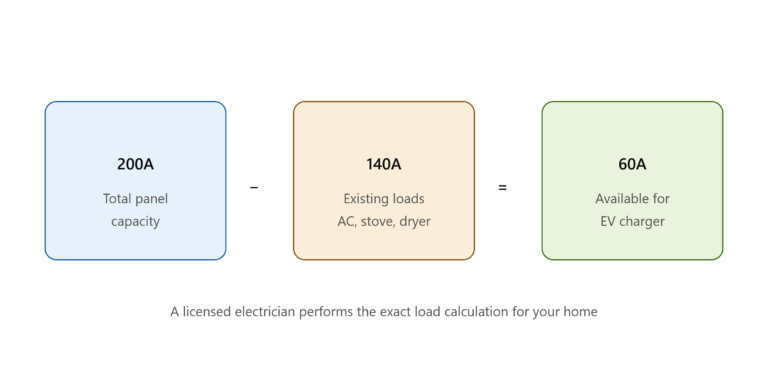
- Load calculation — using the NEC 220.82 method, the electrician determines whether your panel has enough spare capacity. Most homes with a 200-amp panel have 30-80 amps of headroom available, which is typically more than enough for a Level 2 charger without needing a panel upgrade
- Installation — running the circuit and either hardwiring the charger or installing the appropriate outlet
- Inspection — most jurisdictions require a permit and a final inspection to close out the job
What It Costs
Professional Level 2 charger installation typically runs $1,000 to $2,500+, with the price driven mainly by two factors: how far your parking spot is from your electrical panel, and whether a panel upgrade turns out to be necessary. Homes that need a full panel upgrade (less common than people assume, but it does happen in older homes) can push costs toward the higher end of that range or beyond.
Is There Any DIY Option Left?
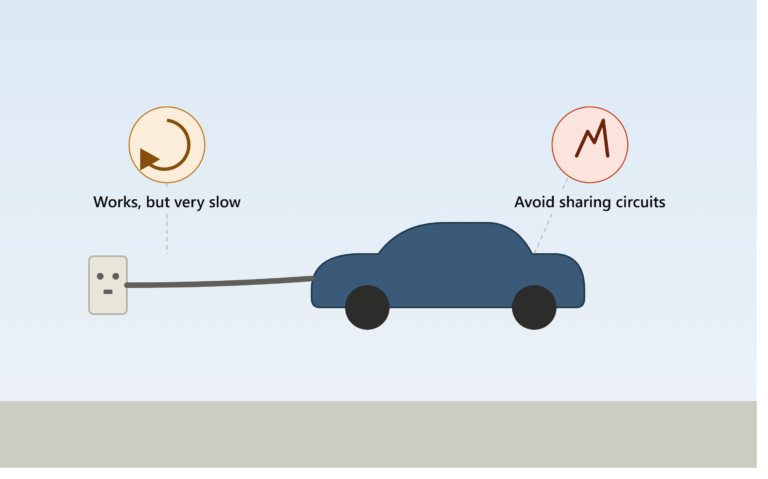
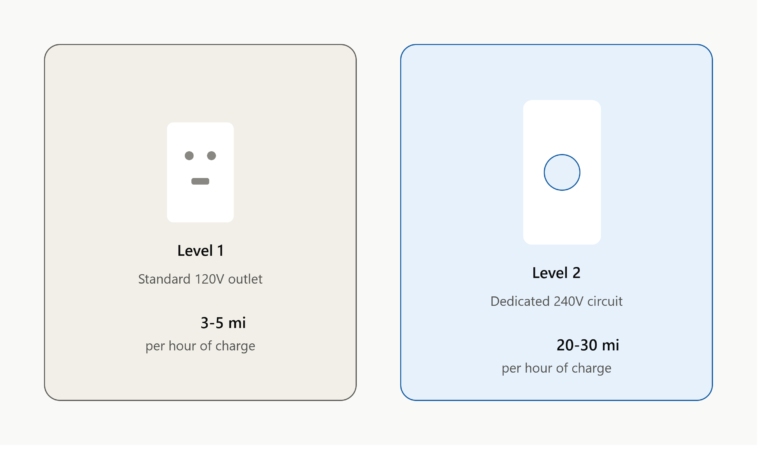
Level 1 charging — using the cable that came with your car, plugged into an existing standard outlet — remains something you can do yourself with zero installation, since it doesn’t involve any new wiring. That’s a legitimate long-term option for lower-mileage drivers, not just a temporary stopgap (we cover this comparison in our Level 1 vs. Level 2 guide).
Beyond that, the honest answer is: for a proper Level 2 setup, budget for a licensed electrician rather than looking for a workaround. Skipping this isn’t just a rule-following issue — a failed inspection, an insurance claim complicated by unpermitted electrical work, or a fire hazard from an undersized circuit are all real, expensive downside risks that a $1,000-2,500 installation is specifically designed to prevent.
Bottom Line
If you’re installing a hardwired Level 2 charger, plan on hiring a licensed electrician — it’s now required in most states either way, and even where it isn’t strictly mandated yet, it’s the safer and more insurance-friendly choice for a circuit that runs at full load for hours every night. Get quotes from at least two or three licensed installers, ask specifically whether your panel will need an upgrade before you commit to a price, and confirm any local utility rebates before the work begins, since some programs require the rebate application to be submitted before installation, not after.
This article is for general informational purposes and does not constitute legal or electrical advice. Requirements vary by state and municipality — confirm current rules with your local building department or a licensed electrician before starting any installation.