The federal home EV charger tax credit (Section 30C) has expired. It covered 30% of home charger installation costs, up to $1,000, but the deadline — June 30, 2026 — has now passed, and no extension has been enacted. Here’s what the credit covered, what to do if you installed before the deadline and haven’t filed yet, and what’s still available now that it’s gone.
What Just Ended
Section 30C, officially the Alternative Fuel Vehicle Refueling Property Credit, covered 30% of the combined cost of a home charger, wiring, and any necessary electrical upgrades — up to $1,000 for a residential installation. It was originally authorized through 2032 under the Inflation Reduction Act, but the One Big Beautiful Bill Act (signed July 2025) moved the residential deadline up to June 30, 2026. That date has now passed, and the credit dropped to $0 for any charger placed in service after it.
This was the last federal EV-related tax credit still standing after the $7,500 vehicle purchase credit ended in September 2025 — so its expiration closes out federal purchase-side EV incentives entirely, for both vehicles and home charging equipment.
Did You Install Before June 30, 2026? Here’s What to Do
If your charger was installed, permitted, and operational before the deadline, you can still claim the credit — the expiration only affects new installations going forward, not your ability to file for one that already qualified.
- Confirm your property was in an eligible census tract at the time of installation — the credit only applied to low-income communities or non-urban areas as designated by the Census Bureau. You can still check this retroactively using the DOE’s 30C Eligibility Locator if you’re unsure.
- Gather your documentation: the charger purchase receipt, your electrician’s itemized invoice, the building permit, and the inspection sign-off.
- File IRS Form 8911 (Alternative Fuel Vehicle Refueling Property Credit) with your federal tax return for the year the installation was completed and placed in service.
- Remember it’s non-refundable — the credit reduces the federal taxes you owe, but you won’t receive more than your actual tax liability back. If you owed $600 in federal tax and qualified for a $1,000 credit, you’d receive $600, not a $400 refund.
If your installation was completed in 2026, you’ll file this with your 2026 tax return (filed in early 2027) — don’t file prematurely, and keep your documentation somewhere safe until then.
If You Missed the Deadline
If you were planning an installation and didn’t complete it in time, there’s no federal purchase-side credit available for it now. A few things worth knowing:
- No safe harbor existed for this credit — unlike the vehicle purchase credit, which had a binding-contract exception, Section 30C required the equipment to be actually installed and operational (not just purchased or contracted) before the deadline. There’s no retroactive claim available for equipment installed after June 30, 2026.
- This doesn’t mean charger installation is no longer worth pursuing — it just means the federal 30% discount is off the table. State and utility incentives, covered below, may still meaningfully offset the cost.
What’s Still Available Now That 30C Is Gone
The federal credit is done, but it isn’t the whole incentive picture:
- Utility rebates remain active in many areas and operate independently of federal eligibility rules — several utilities have offered $500-$2,500 toward a qualifying Level 2 installation, often with an off-peak or time-of-use rate enrollment requirement attached
- State-level incentive programs vary significantly by location and aren’t tied to the federal credit’s expiration — check our state-by-state guides for what’s currently available where you live
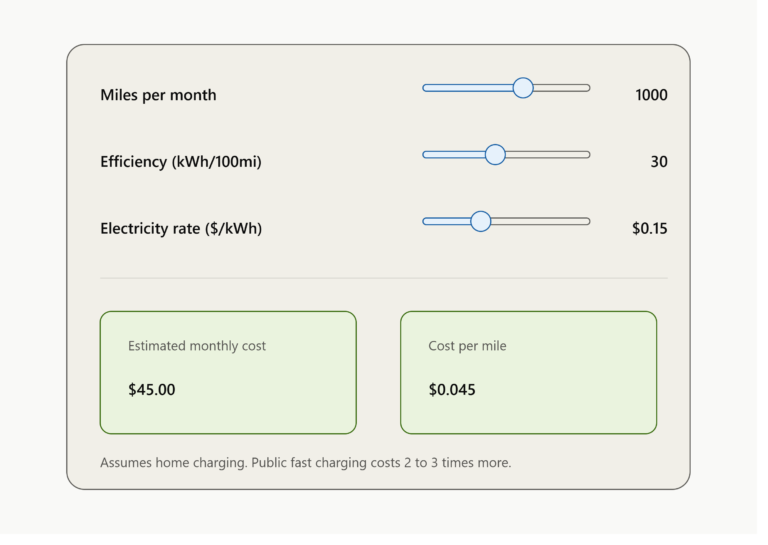
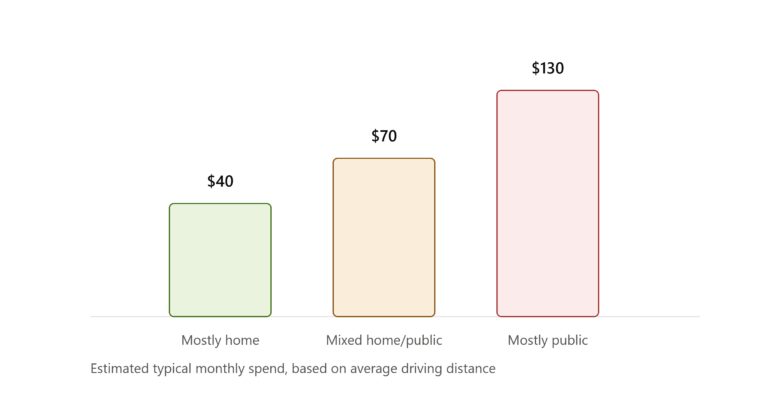
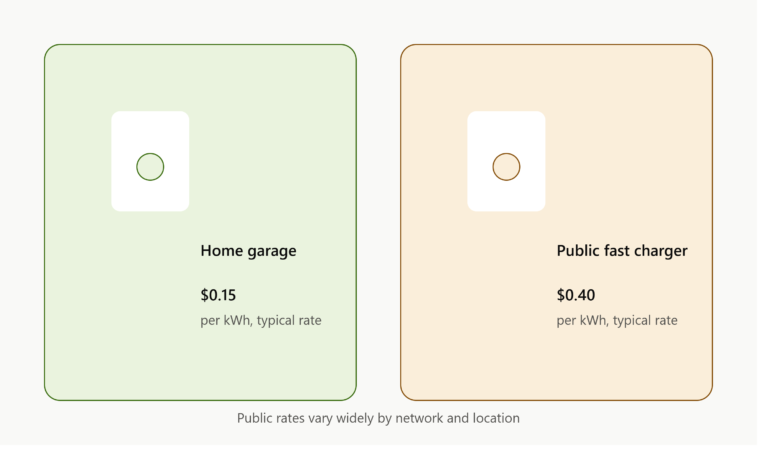
- The math still generally favors installing a Level 2 charger regardless of incentives, given the ongoing monthly savings from off-peak charging and the overall cost gap between electricity and gasoline (see our guide on real-world monthly charging costs)
A Worked Example (For Reference)
For anyone who did install before the deadline: a total installation cost of $4,500 (charger, labor, and a modest panel upgrade) worked out to 30% × $4,500 = $1,350 — capped at the $1,000 residential maximum. Most moderately involved installations maxed out the credit rather than leaving money on the table.
Bottom Line
Section 30C is no longer available for new home charger installations — the June 30, 2026 deadline has passed with no extension. If you completed your installation before that date, file IRS Form 8911 with your return for that tax year to claim your credit. If you’re installing now, the federal discount no longer applies, but check current state and utility incentives before assuming the full cost is on you — several programs remain active and are unaffected by the federal credit’s expiration.
This article is for general informational purposes and is not tax advice. Confirm your specific eligibility and filing requirements with the IRS’s official Section 30C guidance or a qualified tax professional.