Short answer: for most households, a budget charger under $300 charges your car just as safely and nearly as fast as a $700 unit. The extra money buys convenience features, brand support, and a handful of edge-case advantages — not fundamentally better or safer charging. Here’s exactly what you’re paying for at each price point, so you can decide what’s actually worth it for your situation.
What Doesn’t Change Between a $200 and $700 Charger
This is the part most buying guides gloss over: every UL-listed Level 2 charger, regardless of price, delivers the same fundamental safety protections — ground fault protection, over-current and over-temperature safeguards, and code-compliant charging. A $250 Grizzl-E Classic isn’t a “lesser” or riskier way to charge your car than a $700 ChargePoint Home Flex. If a charger is properly certified, safety isn’t the differentiator.
Charging speed is also closer than the price tags suggest. A 32A charger — common even in sub-$300 models — delivers roughly 25 miles of range per hour, which fully replenishes the average American’s daily driving several times over in a single overnight session. The jump to 48-50A chargers adds real speed, but it mostly matters for large-battery trucks and SUVs, or households charging two EVs on one circuit — not for a typical daily commute.
What You’re Actually Paying For at the Premium End
The extra $300-450 between a budget and premium charger buys you:
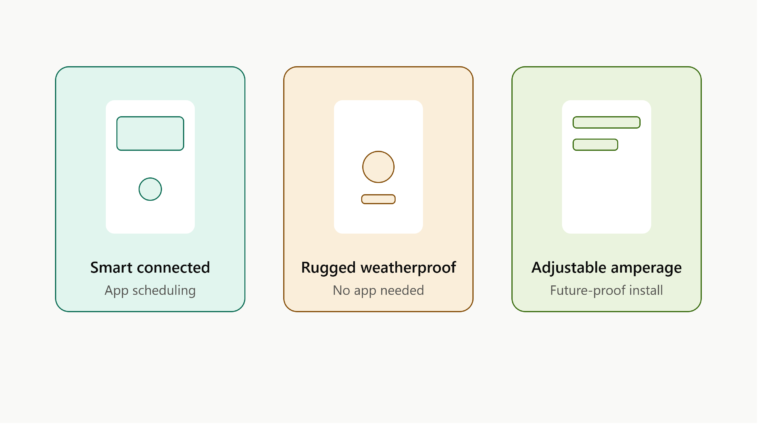
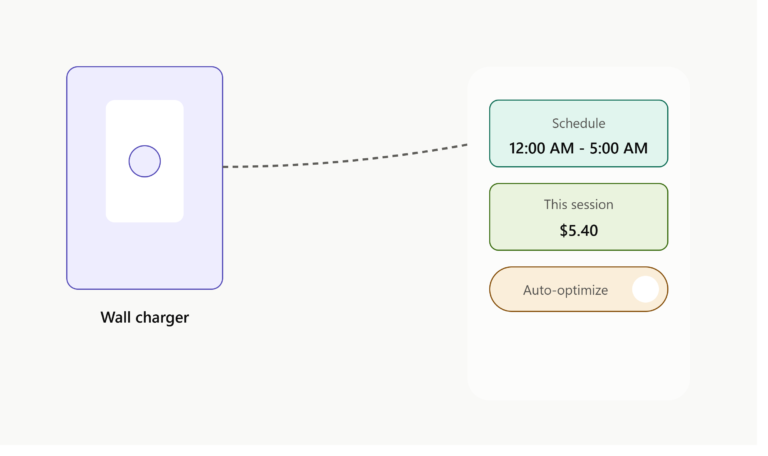
- App polish and reliability — ChargePoint and Wallbox’s apps are consistently rated more dependable than budget alternatives, with fewer WiFi drops and more granular scheduling options
- Brand longevity and support — this matters more than people expect. A cautionary example: JuiceBox was a well-regarded smart charger until its parent company, Enel X Way North America, shut down operations in late 2024, leaving existing owners without remote app control. Buying from a company still actively investing in the EV charging business is a real, if hard-to-quantify, form of insurance
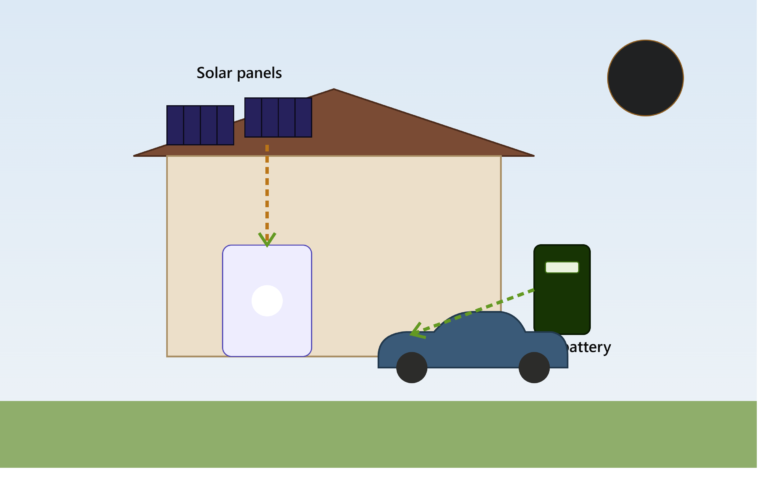
- Solar/battery ecosystem integration — premium chargers from Enphase, Tesla, and Wallbox offer tighter integration with home solar and battery systems, which budget chargers generally don’t match
- Build quality and weatherproofing — some budget chargers use lower-grade housings and cable jacketing that can degrade faster under years of outdoor exposure or extreme cold, though notable exceptions exist (Grizzl-E delivers premium-grade weatherproofing at a budget price)
- Adjustable amperage range — premium units like the ChargePoint Home Flex adjust from 16A to 50A, useful if you’re unsure of your panel’s exact spare capacity or plan to change vehicles
When Paying More Genuinely Makes Sense
- You have a large-battery EV or truck (F-150 Lightning, Rivian, similar) that can actually use 48A+ charging speeds to fully replenish overnight
- You have solar panels or a home battery and want tight, brand-specific integration rather than basic CT-clamp solar matching
- You’re charging two EVs on a shared circuit and need load-sharing features most budget chargers lack
- You specifically value app polish and want the most dependable long-term software support, and you’re willing to pay for that peace of mind
When a Budget Charger Is the Smarter Choice
- You’re on a tight budget and just need reliable daily charging — a Grizzl-E Classic or similar rugged budget unit does this well
- Your daily driving is under 60 miles — you don’t need 48-50A speed to fully charge overnight even at 32A
- You’re renting or might move soon — a plug-in budget charger you can take with you beats a permanent premium installation
- You don’t have solar or a home battery — the ecosystem integration premium chargers offer simply doesn’t apply to your situation
The One Thing That Matters More Than Price Either Way
Regardless of which charger you buy, your electrical panel’s spare capacity determines your real installation cost and complexity far more than the charger brand does. A budget charger on a panel that needs an upgrade will still cost more overall than a premium charger on a panel with plenty of headroom. Get your panel checked before comparing chargers on price — it changes the calculation more than any feature difference between models.
Bottom Line
If safety and basic charging speed are your only concerns, a well-reviewed budget charger (Grizzl-E Classic, Lectron, Emporia Classic) genuinely performs on par with premium options for the vast majority of daily driving. Pay the premium specifically when you need faster charging for a large-battery vehicle, deeper solar/battery integration, or the most polished app experience — not because a higher price tag implies better or safer charging on its own.
Always verify UL listing or equivalent safety certification regardless of price point, and confirm compatibility with your specific vehicle and electrical panel before purchasing.