If you already have solar panels, or you’re planning a system, the charger you pick matters as much as the panels themselves — the wrong charger means your EV just draws from the grid like any other appliance, missing out on free daytime solar power. Here’s how to match a charger to your setup, and which models actually do it well.
Quick Picks
- Best overall, especially with Enphase solar: Enphase IQ EV Charger
- Best value, works with most solar brands: Wallbox Pulsar Plus
- Best for Tesla owners with a Powerwall: Tesla Universal Wall Connector
- Best budget option with solar-only mode: Emporia (paired with Emporia Vue)
How Solar-Matched Charging Actually Works
Smart chargers with solar integration typically use one of two methods:
- CT (current transformer) clamps installed at your electrical panel, which measure real-time solar production versus household consumption and adjust EV charging power to match available surplus
- Direct software integration with your solar/battery brand’s own monitoring platform (Enphase Enlighten, Tesla app, etc.), which is more precise but generally only works cleanly within that same brand’s ecosystem
The practical effect either way: instead of pulling from the grid at full power the moment you plug in, the charger throttles up and down throughout the day to use exactly the solar surplus available, minimizing (or eliminating) grid draw.
Enphase IQ EV Charger — Best for Enphase Solar Systems
If your solar system already uses Enphase microinverters, the Enphase IQ EV Charger is the cleanest choice — it integrates directly with the Enphase Enlighten platform, giving you module-level solar production data, battery state, and EV charging status in a single “pane of glass” rather than juggling separate apps. It also supports Amazon Alexa and Google Home for broader smart home control.
Best for: homeowners with an existing Enphase solar (and optionally Enphase IQ Battery) system who want the tightest possible integration.
Wallbox Pulsar Plus — Best Value, Brand-Agnostic
The Pulsar Plus remains one of the strongest all-around picks for solar households specifically because it isn’t locked to one solar brand. Its Eco-Smart feature uses CT clamp monitoring to track real solar surplus and adjust charging accordingly, which works with a broad range of existing solar inverter setups rather than requiring you to already own a specific brand’s equipment.
Best for: solar households with panels from a brand other than Enphase or Tesla, or anyone who wants solar-matching without being locked into one ecosystem.
Tesla Universal Wall Connector — Best for Tesla Plus Powerwall
For Tesla owners who also have a Tesla Powerwall, the Universal Wall Connector’s “Charge on Solar” feature (updated for 2026) precisely uses excess solar production, effectively turning your car’s battery into a secondary storage unit that soaks up sunlight your home isn’t currently using. It supports both NACS and J1772 vehicles via a built-in adapter, so it still works if a non-Tesla EV joins the household later.
Trade-off: the deepest solar-matching features specifically require a Tesla Powerwall — non-Tesla battery systems don’t get the same level of integration.
Emporia — Best Budget Option With Solar-Only Mode
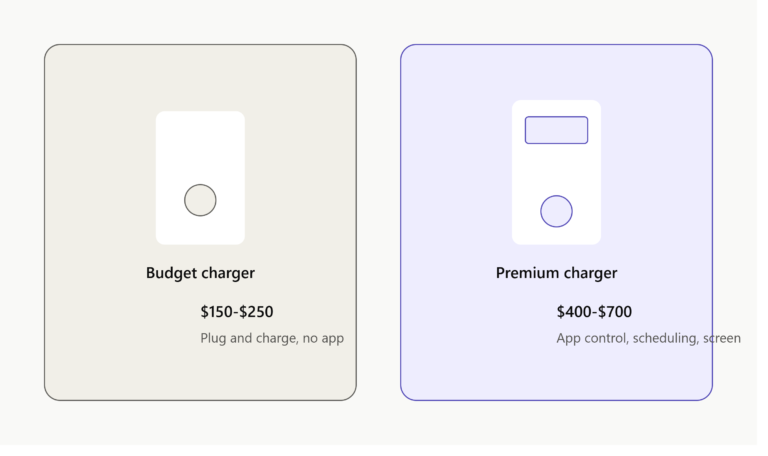
When paired with the Emporia Vue home energy monitor, Emporia’s Level 2 charger can run in a genuine solar-only charging mode, giving you a combined view of solar production, EV charging, and whole-home usage in one dashboard — a feature usually reserved for chargers costing considerably more. It’s a strong option if you want real solar integration without the price tag of Enphase or Wallbox’s premium models.
Why a Home Battery Changes the Math
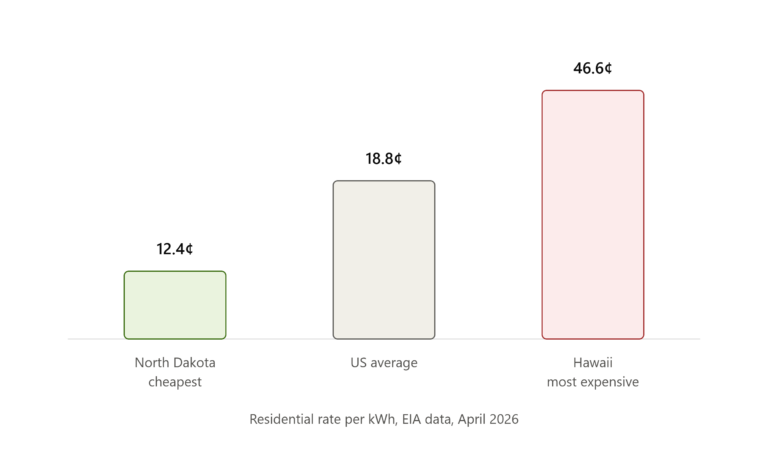
Solar-only charging is limited to daylight hours, which doesn’t help if your car mostly charges overnight. Adding a home battery (Tesla Powerwall, Enphase IQ Battery, FranklinWH, and similar systems) changes this significantly: excess daytime solar charges the battery instead of your EV directly, and the battery then powers evening EV charging and household loads after the sun goes down. For a household with solar plus a properly sized battery, this combination can eliminate on-peak grid costs almost entirely — some analyses put the annual savings at $3,000 or more compared to charging off a standard off-peak utility schedule without solar.
One practical detail worth checking regardless of battery brand: confirm your system’s transfer time on the spec sheet. Most modern home battery systems switch to battery power in well under a second, but older transfer switches on existing solar installs can lag behind, which matters if you want uninterrupted EV charging during a grid outage.
What to Check Before Buying
- What solar/battery brand do you already have (or plan to install)? Matching your charger to that ecosystem (Enphase charger with Enphase solar, Tesla charger with Tesla Powerwall) gives the tightest integration; a brand-agnostic option like Wallbox is the safer choice if you’re not committed to one ecosystem yet.
- CT clamp vs. software integration — CT clamp-based solar matching works with virtually any inverter brand, while software-based integration is more precise but locks you into that manufacturer’s ecosystem.
- Do you have (or plan to add) a home battery? If yes, prioritize a charger that also integrates with that specific battery brand’s app, not just the solar panels.
Bottom Line
If you already have Enphase solar, the Enphase IQ EV Charger offers the tightest integration available. If you want strong solar-matching without being locked into one specific solar brand, the Wallbox Pulsar Plus is the more flexible, broadly compatible pick. Tesla households with a Powerwall get real added value from the Tesla Universal Wall Connector’s solar-charging features, and Emporia remains the strongest budget option for genuine solar-only charging when paired with its Vue energy monitor.
Solar and battery integration features vary by specific model and can require additional hardware (such as CT clamps) not included with every charger. Confirm compatibility with your specific solar inverter or battery brand before purchasing.