Not every charger that works fine in a mild climate holds up once temperatures drop well below freezing. Cable plastic stiffens, housings crack, and some units simply refuse to operate outside their rated temperature window. Here’s which chargers are actually built for real winter conditions, and what specs matter most when you’re shopping in a cold-weather state.
Quick Picks
- Best for extreme cold (-20°F and below): Grizzl-E Classic
- Best balance of smart features and cold tolerance: ChargePoint Home Flex or Emporia Smart Level 2
- Best premium weatherproof + smart features: Emporia Pro
- Watch out for: Wallbox Pulsar Plus in the most extreme climates (slightly narrower cold rating)
What Actually Matters for Cold Weather
Three specs determine how a charger performs in winter, and none of them are the amperage number most buying guides lead with:
- Rated operating temperature floor — the lowest ambient temperature the charger is certified to function at
- NEMA/IP rating — how well-sealed the housing is against moisture, snow, and ice intrusion
- Cable flexibility in cold — cheaper cable jacketing can stiffen significantly in freezing temperatures, making the cord harder to handle and more prone to cracking over years of winter use
A charger can have excellent smart features and still be the wrong choice for a Minnesota or Alberta driveway if its temperature floor doesn’t match your actual winters.
Temperature Ratings Compared
| Charger | Operating temperature floor | NEMA/IP rating |
|---|---|---|
| Grizzl-E Classic | -22°F (-30°C) | NEMA 4, IP67 |
| ChargePoint Home Flex | -22°F | NEMA 3R |
| Emporia Smart Level 2 | -22°F | NEMA 4, IP66 |
| Emporia Pro | -22°F | NEMA 4, IP66 |
| Wallbox Pulsar Plus | -13°F | — |
The gap between -22°F and -13°F matters more than it looks: -13°F is a normal cold snap in much of the northern U.S., but -22°F covers essentially the entire continental U.S. and most of inhabited Canada, including the coldest regular conditions in the Upper Midwest and northern New England.
Grizzl-E Classic — Best for Extreme Cold
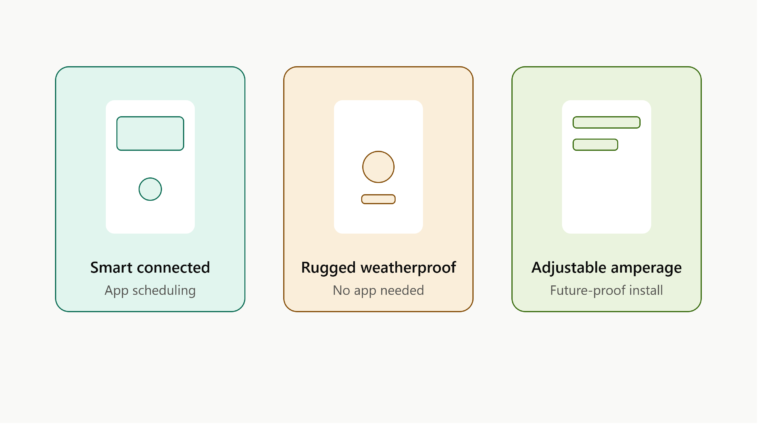
The Grizzl-E Classic is consistently the top recommendation for genuinely harsh winters, and it’s not a coincidence — the company is based in Ontario and designed the unit specifically around Canadian winter conditions. Its NEMA 4-rated aluminum enclosure handles rain, snow, and freezing temperatures, and the IP67 rating means it’s fully dustproof and can even tolerate brief submersion (relevant if it’s mounted somewhere that sees deep snow drifts or standing meltwater). If you regularly see temperatures near -20°F, this is the charger with the clearest, most specific cold-weather track record.
Trade-off: no smart/app features on the base Classic model — you’re trading connectivity for maximum ruggedness.
ChargePoint Home Flex and Emporia Smart — Cold-Rated Without Sacrificing Features
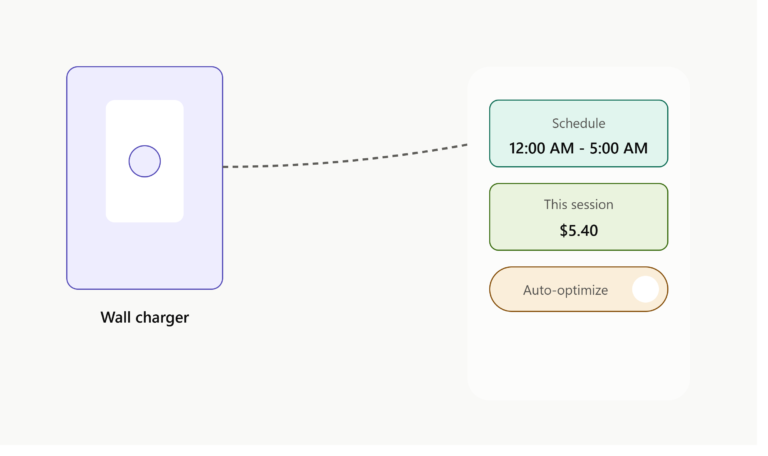
Both of these share the same -22°F to 122°F operating window as the Grizzl-E, which means you don’t have to give up smart scheduling, energy monitoring, and app control to get genuine cold-weather reliability. For most cold-climate buyers who also want off-peak scheduling and energy tracking, one of these two is the more practical choice over the feature-light Grizzl-E Classic.
The Emporia Pro adds a stronger weatherproof housing (NEMA 4, IP66) on top of the same temperature rating, worth considering if your unit will be fully exposed outdoors rather than under any kind of cover.
What Cold Weather Doesn’t Change (and What It Does)
Even the best cold-rated charger doesn’t change the fact that EVs charge slower in freezing temperatures — this is a battery chemistry limitation, not a charger problem. Internal resistance increases in the cold, so charging speed can drop noticeably compared to the same charger on a mild day, especially if the vehicle’s battery hasn’t had time to warm up. This applies to every charger equally; it’s not something a “better” unit avoids. What a cold-rated charger does prevent is the charger itself failing, refusing to start, or degrading over repeated winters — a real risk with units rated only for indoor or mild-climate use.
One More Thing Worth Checking: Cable Flexibility
Beyond the printed temperature spec, some reviewers specifically test how a charging cable handles after extended cold exposure — cheaper cable jacketing can become stiff and harder to maneuver in deep cold, which matters daily if you’re manually plugging in every night. If you can find hands-on winter reviews for a specific model you’re considering, cable flexibility complaints are worth weighing alongside the official temperature rating.
Bottom Line
For genuinely extreme cold (regular -20°F or below), the Grizzl-E Classic has the most specific, proven cold-weather pedigree of any charger on the market. If you want that same level of cold tolerance without giving up smart scheduling and app features, both the ChargePoint Home Flex and Emporia Smart Level 2 share the same -22°F rating and are the more practical everyday choice for most cold-climate households. The Wallbox Pulsar Plus is still a fine charger, but its slightly narrower -13°F floor makes it a better fit for moderately cold climates than for the harshest winter conditions.
Manufacturer temperature ratings and specifications can change between model revisions. Verify the current spec sheet for your specific model before purchasing if you live in an area with extreme winter conditions.