The best home EV charger isn’t necessarily the one with the biggest number on the box — it’s the one that fits your car, your electrical panel, your budget, and your driveway without creating headaches down the road. Here’s how the top models actually compare, based on real specs and installation requirements, not marketing copy.
Quick Picks
- Best overall: ChargePoint Home Flex
- Best value: Emporia Smart Level 2
- Best for Tesla owners: Tesla Wall Connector
- Most durable / weatherproof: Grizzl-E Classic
- Most compact: Wallbox Pulsar Plus
Comparison Table
| Charger | Max amperage | Installation | Connector | Notable feature | Approx. price |
|---|---|---|---|---|---|
| ChargePoint Home Flex | 50A (~12 kW) | Hardwired or plug-in | J1772 or NACS | Adjustable amperage, ties into ChargePoint’s public network app | ~$600-700 |
| Emporia Smart Level 2 | 48A | Hardwired or plug-in | J1772 or NACS | Strong smart features for the price; some versions bundle a home energy monitor | ~$200-450 (varies by model) |
| Tesla Wall Connector | 48A | Hardwired only | NACS | 24-ft cable, seamless Tesla app integration, power sharing across multiple units | ~$475 |
| Grizzl-E Classic | Up to 40A | Hardwired or plug-in | J1772 | NEMA 4-rated for extreme outdoor conditions, no-frills reliability | ~$460 |
| Wallbox Pulsar Plus | 48A | Hardwired only | J1772 or NACS | One of the most compact chargers available, polished app | ~$450-550 |
Prices fluctuate and vary by retailer and promotion — treat these as a general range rather than exact current pricing.
ChargePoint Home Flex — Best Overall
The Home Flex consistently ranks at the top of independent comparisons, and the reason is versatility rather than any single standout feature. It supports up to 50A of adjustable output, can be installed either hardwired or plug-in, and is available with either a J1772 or NACS connector — meaning it stays compatible even if your next car uses a different plug standard. The companion app connects to ChargePoint’s public charging network too, so you can track home and public charging costs in one place, along with scheduling and alerts. It’s also UL and ENERGY STAR certified.
Best for: households that want one charger to comfortably outlast a vehicle change, and don’t mind paying a bit more for app polish and long-term brand support.
Emporia Smart Level 2 — Best Value
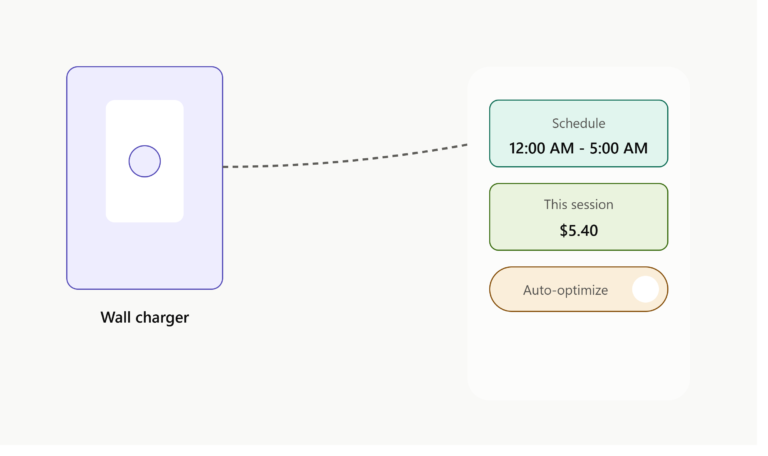
Emporia consistently shows up as the “punches above its price class” pick across independent reviews. At 48A, it matches the charging speed of chargers costing considerably more, and includes real-time energy monitoring, scheduled charging, and smart home integration (Alexa/Google Home compatibility on most models). Some Emporia bundles pair the charger with their home energy monitor for whole-house usage visibility, not just EV charging.
Trade-off worth knowing: a few reviewers note the app’s Wi-Fi connection can occasionally drop, which matters if you rely on precise scheduled charging. If you’re charging overnight without needing exact-minute scheduling, this is a minor issue; if scheduling precision matters a lot to you, weigh it against ChargePoint’s more consistent app reliability.
Best for: budget-conscious buyers who still want real smart-charging features, not a bare-bones unit.
Tesla Wall Connector — Best for Tesla Owners
If your household is all-Tesla, the Wall Connector remains the most seamless option: native integration with the Tesla app, a generous 24-foot cable built for outdoor use, and support for power-sharing across up to six connected units if you eventually add a second EV. It’s hardwired only, and while it uses the NACS connector standard, non-Tesla NACS-equipped vehicles (a growing list as more automakers adopt NACS) can generally use it as well.
Trade-off: less appealing if your household has a mix of Tesla and non-NACS vehicles, since you’d need adapters or a second charger for full compatibility.
Grizzl-E Classic — Most Durable
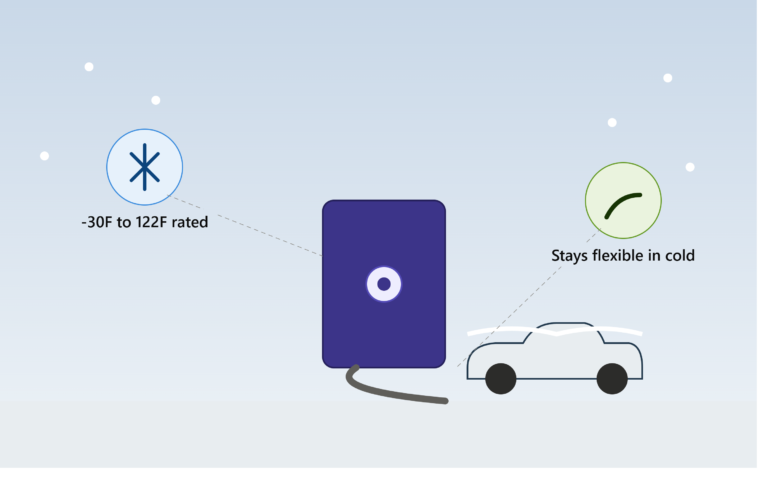
The Grizzl-E Classic trades some smart features for genuine ruggedness — it carries a NEMA 4 weatherproof rating, making it a strong pick for outdoor mounting in harsh climates. It’s a simpler unit without extensive app features, which some owners see as a plus: fewer electronics means fewer things that can fail over a decade of use.
Best for: outdoor installations in extreme weather, or anyone who prioritizes long-term mechanical reliability over smart features.
Wallbox Pulsar Plus — Most Compact
For tight garages or anyone who cares about how the charger looks mounted on the wall, the Pulsar Plus is genuinely one of the smallest Level 2 chargers on the market — smaller than a hardback book — while still delivering a full 48A. The app is polished, and some models include solar-charging integration for households with home solar systems.
Trade-off: hardwired installation only, so factor in an electrician regardless of whether you already have a compatible outlet.
How to Actually Choose Between Them
A few questions will narrow this list fast:
- What’s your vehicle’s maximum AC charging rate? If your car caps at 32A, paying for a 48-50A charger gets you nothing extra — check your owner’s manual first.
- Hardwired or plug-in? If you already have a NEMA 14-50 outlet, a plug-in-capable model (ChargePoint, Emporia, Grizzl-E) saves you an electrician visit. If you’re starting from scratch, hardwired options open up (including Tesla Wall Connector and Wallbox).
- Do you actually need 48-50A? For most drivers commuting under 60 miles a day, even a 32A charger fully replenishes the battery overnight. The premium for higher amperage mainly pays off for long-range EVs and trucks with large battery packs.
- Indoor or outdoor mount? If the charger will face real weather, prioritize a strong environmental rating (Grizzl-E stands out here) over app features.
Don’t Skip This Before You Buy
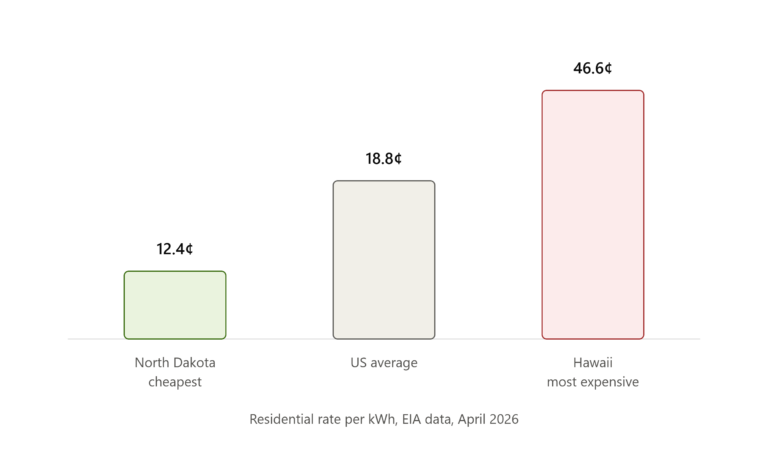
Check whether your utility offers an EV charger rebate before purchasing — many utilities discount qualifying Level 2 chargers, and some states have separate tax credits on top of that. Combined with off-peak rate savings, a $600-700 charger can sometimes end up costing meaningfully less out of pocket than the sticker price suggests. We cover current incentive programs in a separate guide, since these change frequently.
Bottom Line
For most households, the ChargePoint Home Flex is the safest all-around pick thanks to its flexibility and long-term compatibility. If budget is the main constraint, the Emporia Smart Level 2 delivers nearly the same charging performance for considerably less. Tesla owners should default to the Wall Connector unless they’re also charging a non-NACS vehicle regularly, and anyone mounting outdoors in a harsh climate should give the Grizzl-E Classic a serious look before choosing on features alone.
Prices, availability, and specific model features change frequently. Verify current pricing and specs directly with the manufacturer or retailer before purchasing, and confirm compatibility with your specific vehicle and electrical panel.